
There’s a growing conversation happening right now about the state of ultimate.
Participation is down. Local leagues are thinning. Youth programs are struggling to stay alive. And at the same time, other team sports are growing, especially with the exact age group ultimate should be attracting.
That should make us pause, not just because of the numbers, but because of what they might be pointing to. It’s easy to assume this is a marketing problem, or an awareness problem, or even a competition problem. But I think there’s a deeper possibility we need to be willing to consider.
What if the issue isn’t how we’re promoting ultimate, but how we’re introducing it in the first place?
We’re Starting in the Wrong Place
Too often, we introduce kids to ultimate before we introduce them to frisbee.
We hand them a disc, explain a pivot foot, teach a forehand, and try to get them into some version of the game as quickly as possible. The intention is good. We want them playing. We want them engaged. We want them to experience what we love about the sport.
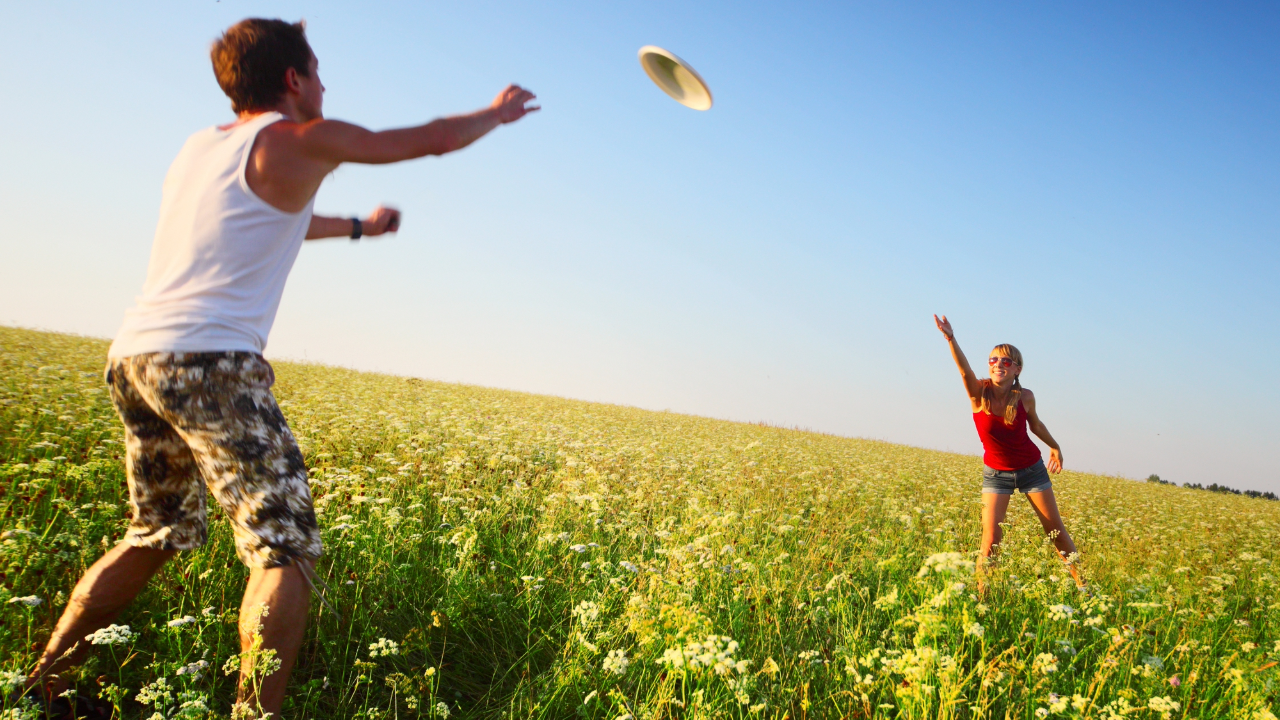
But a forehand in ultimate isn’t really a forehand in the way most people naturally learn to throw. It’s a constrained version of a throw that exists because of the rules of the game. When you’re just playing catch with a friend, you don’t stand still and establish a pivot. You move. You adjust. You experiment with angles and timing without even thinking about it.
That’s how people actually learn to throw.
If we start by teaching throwing inside the restrictions of ultimate, we’re not really teaching kids how to throw a frisbee. We’re teaching them how to operate within a system before they even understand the tool they’re holding. And that’s where things start to break down.
Frisbee Is Bigger Than Ultimate
Part of the issue is that we’ve allowed ultimate to become synonymous with frisbee, when in reality it’s just one expression of something much larger.
Frisbee – disc sports more broadly – is much closer to track and field than it is to a single sport. It’s a collection of disciplines, each offering a different way to engage: distance, accuracy, freestyle, disc golf, self-caught flight, double disc court, and yes, ultimate.
When we only promote ultimate, we unintentionally narrow the doorway. We present one path and assume it will resonate with everyone.
But kids don’t all connect with the same things. Some are drawn to throwing far. Some like the precision of targets. Some enjoy creative movement and trick throws. Some will eventually love the team dynamics of ultimate. Others won’t, and that’s okay.
If we introduce frisbee as a whole, we give kids room to explore. We let them discover what the object can do before we tell them what it’s supposed to be used for. And in doing that, we create far more opportunities for genuine connection.
Ultimate Has a Built-In Barrier
There’s also something structural about ultimate that makes it harder as a starting point, and it’s something we don’t talk about enough.
Ultimate is a team sport.
That means participation isn’t just about interest. It’s about whether your friends are playing, whether there’s a team available, whether there’s a place for you to show up and belong. Kids don’t choose team sports in isolation. They follow their social circles. If their friends are playing soccer or basketball, that’s where they’re going to go.
A frisbee, on the other hand, doesn’t ask for any of that. It doesn’t require a roster, a field, or a schedule. It can start with one other person, or even just one person on their own.
That simplicity matters.
Frisbee is easy to start. Ultimate is harder to sustain.
If we skip the easy entry point and go straight to the more demanding one, we shouldn’t be surprised when fewer people stick with it.
We’re Pushing It Too Early
There’s also a developmental piece here that’s hard to ignore.
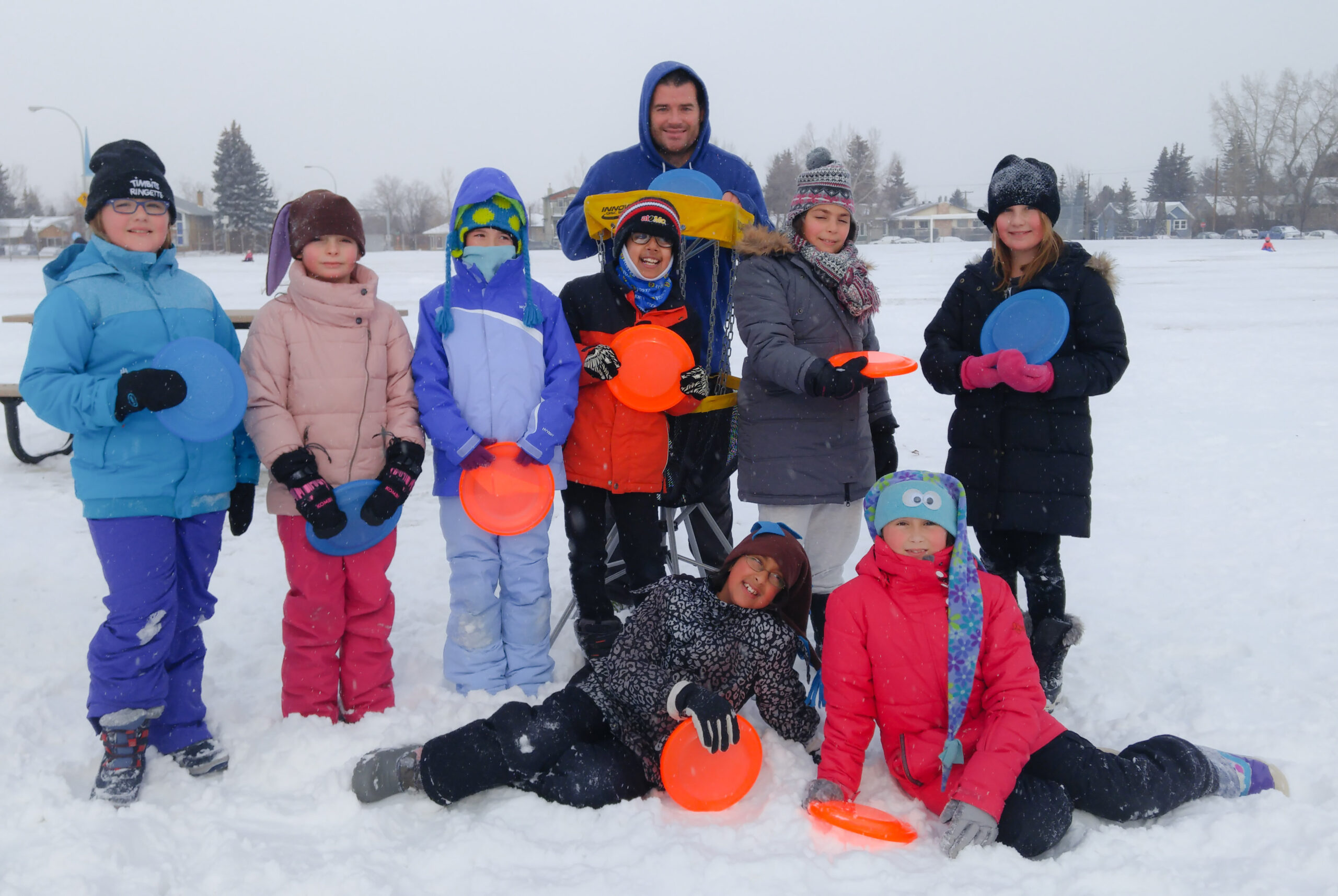
From Kindergarten through Grade 6, kids are still building the foundation of how they move. They’re developing coordination, balance, spatial awareness, timing, and control. They’re learning how to throw, how to catch, how to run, how to react. And they’re doing that best when they’re exposed to a wide variety of games and activities, not when they’re funneled into a single structured system too early.
Ultimate, as a game, asks for quite a lot. It requires spacing, decision-making, teamwork, and an awareness of others that develops over time. By the time kids reach Grade 7, many of them are far more ready for that environment.
If they already feel comfortable with a frisbee by then, the transition becomes natural.
If they don’t, we’ve made it harder than it needs to be.
This Is an Entry Point Problem
When you look at the broader participation trends, it becomes clear that this isn’t just about high-performance pathways or elite competition.
This is an entry point problem.
Recent reporting from Ultiworld highlights a significant decline in participation, especially at the youth and casual levels, with fewer people playing and those who do playing less often. That kind of decline doesn’t usually come from the top of the sport. It comes from the bottom. It comes from fewer people finding their way in, and fewer people finding reasons to stay.
You don’t fix that by building better elite systems.
You fix it by making the first experience better.
Frisbee, in its simplest form, is one of the best entry points we have. But only if we allow it to be that.
What I’m Seeing in Schools
This is something I’ve been thinking about – and working on – for a long time.
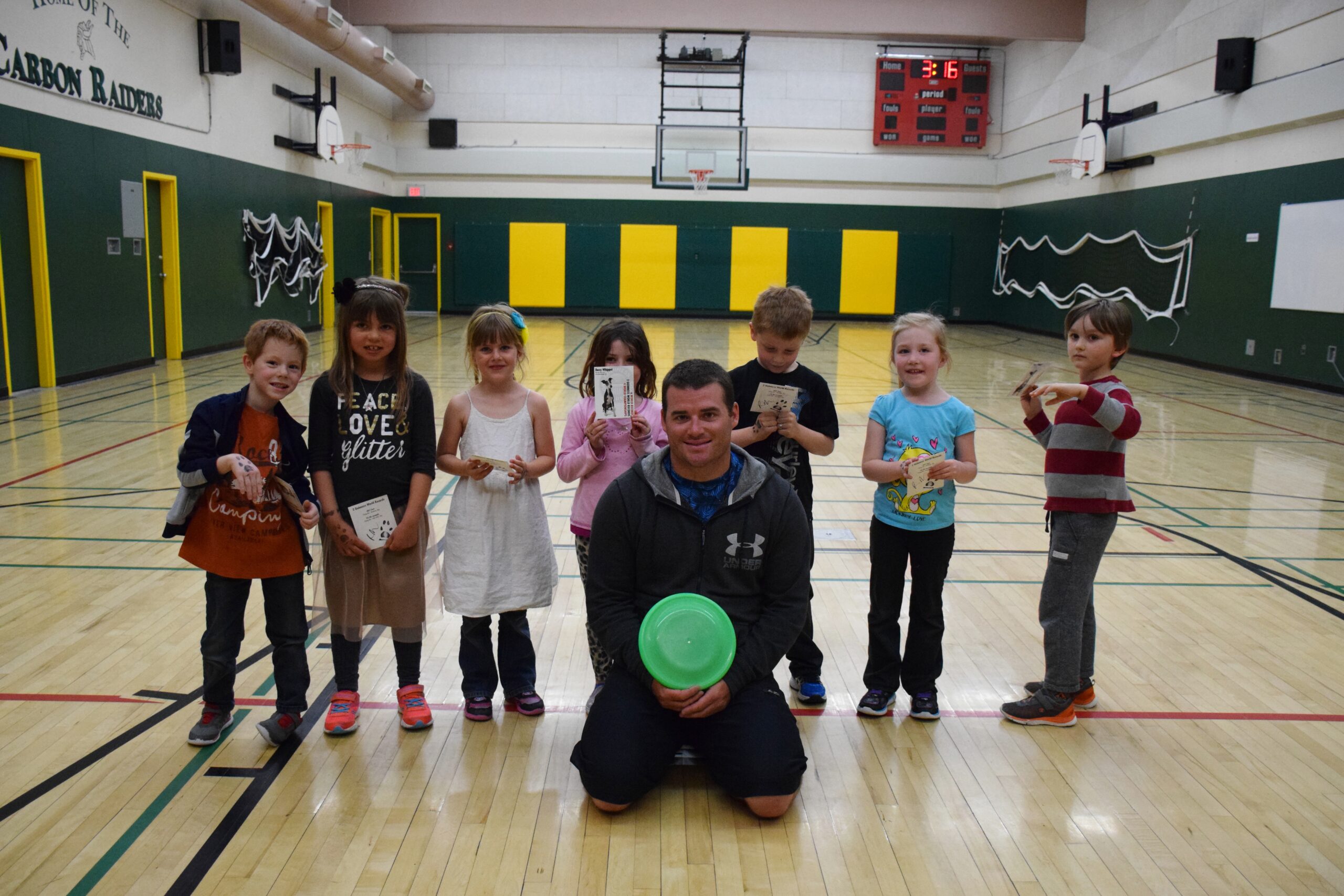
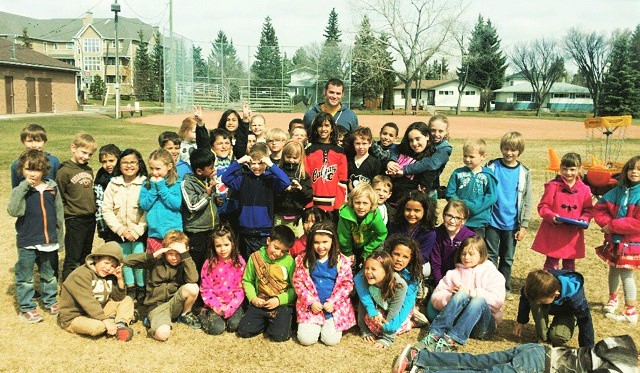
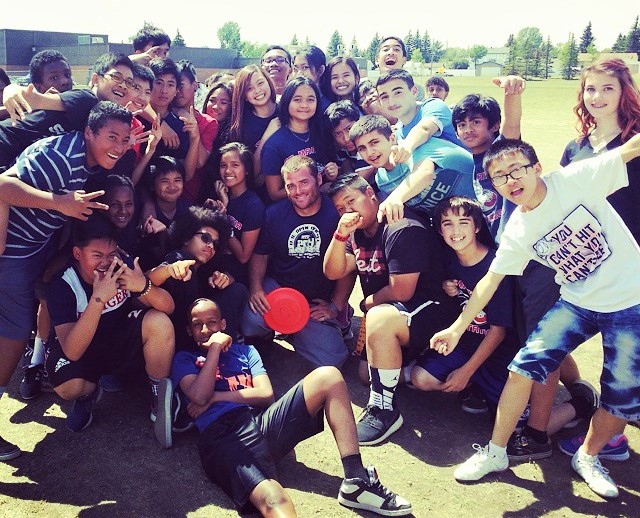
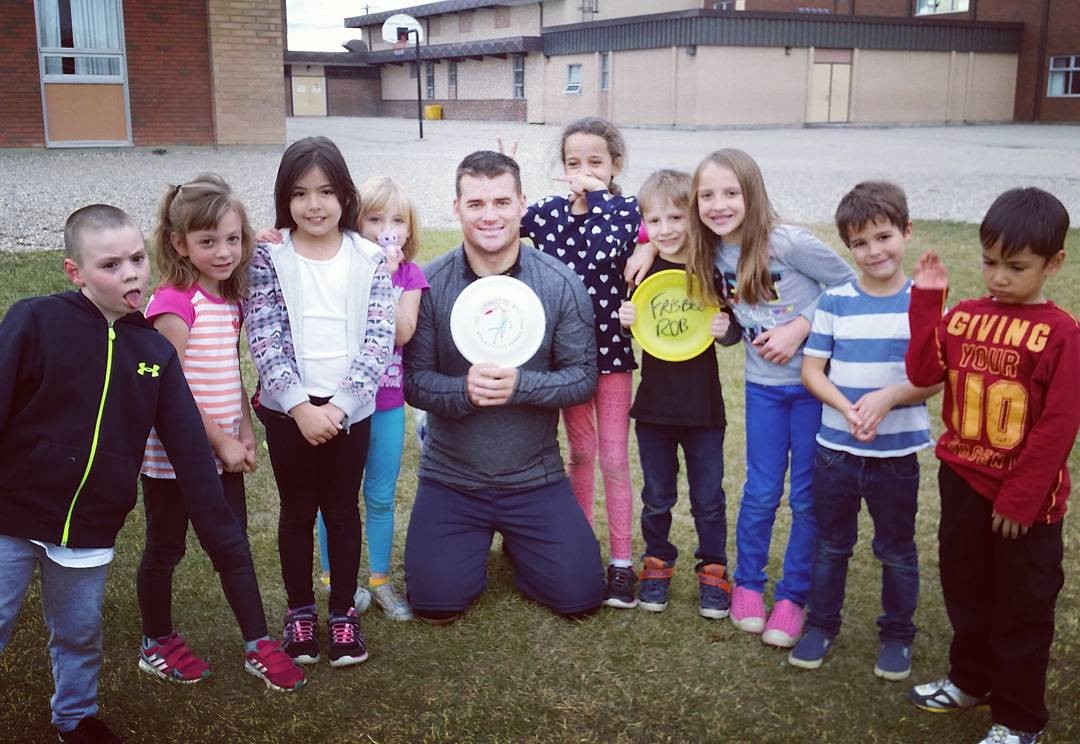
I’ve worked with more than 250,000 kids, over 1,000 teachers, and delivered more than 8,000 workshops, and one thing has become really clear to me. In schools, when I introduce kids to frisbee, I don’t start with ultimate. I start with the disc – throwing, catching, experimenting, and letting kids figure out what’s possible. And what I’ve seen, over and over again, is that when kids are given that kind of entry point, they engage differently.
They’re not trying to survive a system they don’t understand. They’re exploring something they’re curious about. They build confidence through small wins. They start to enjoy the feeling of a good throw, a clean catch, a moment where the disc does exactly what they hoped it would do.
From there, everything else becomes easier.
If you’re interested in how I approach this in schools, you can check out more here:
https://frisbeerob.com
Let Frisbee Do Its Job
If we want ultimate to grow, we may need to step back and rethink where we begin.
Not push harder. Not add more structure earlier. But actually create space for a better starting point.
Let kids play with a frisbee. Let them explore. Let them build comfort and confidence without pressure or expectations. Let them connect with other people through simple, shared play.
And then, when they’re older, when they’re ready, when the social piece is there, introduce ultimate as one of many ways they can continue that journey.
Ultimate is a great sport.
But it isn’t the starting point.
Frisbee is.
A Note on the Current Conversation
Some of the thinking in this piece has been reinforced by recent reporting from Ultiworld on participation trends and the broader state of the sport.
It’s also encouraging to see programs like Davenport University investing in the future of ultimate by offering scholarships and creating new pathways at the collegiate level.
Great article. I have served on a local non-profit board for many years promoting ultimate in our local community. I think your opinion of the state of youth ultimate is spot on. I will share the article with the rest of our board members and look at ways to change our focus from ultimate to just frisbee. Take care. Jim